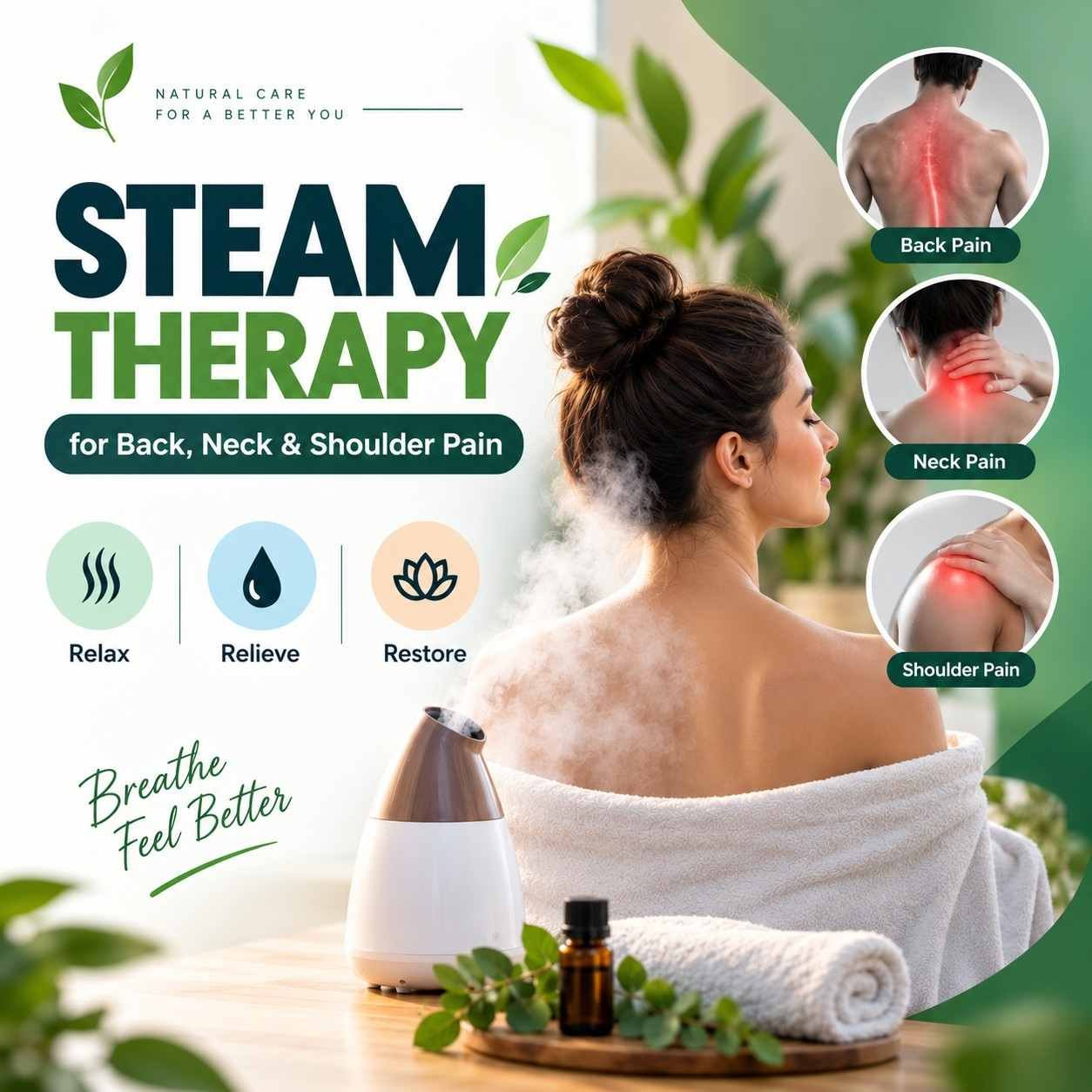
Do your back, neck, or shoulders feel sore or uncomfortable after a long day? Spending hours at a desk, exercising, maintaining poor posture, or dealing with everyday physical stress can leave your muscles feeling stiff and uncomfortable.
One option people include in their relaxation and recovery routine is steam therapy. The warmth and humidity can create a soothing experience that may help the body relax and temporarily ease feelings of stiffness and muscle tightness.
But can steam help with back, neck, or shoulder discomfort? Is it useful after exercise? And what are the actual steam benefits? Understanding what steam therapy can and cannot do can help you decide whether it is suitable for your wellness and recovery routine.
What Is Steam Therapy?
Steam therapy involves spending time in a warm, humid environment, such as a steam room or a facility offering a steam-based wellness treatment. Unlike a dry sauna, steam therapy combines warmth with high humidity.
The warm environment can feel soothing and relaxing, particularly after physical activity, a tiring workday, or when your body feels generally stiff and tired.
People commonly consider steam therapy when they experience:
- Tight or stiff muscles
- Neck and shoulder discomfort
- Muscle soreness after exercise
- General body stiffness
- Physical fatigue
- Difficulty relaxing after a stressful day
Steam is not intended to diagnose or treat every type of pain. It is better viewed as a complementary option for relaxation, comfort, and recovery.
How Does Steam Therapy Help With Muscle Tension?
Muscle tightness can develop from prolonged sitting, repetitive activities, exercise, stress, or staying in the same position for too long. When muscles remain contracted for extended periods, they may feel sore, tight, or uncomfortable.
Warmth can create a relaxing sensation and may make tight muscles feel more comfortable temporarily. This is one reason people are interested in how steam therapy helps muscles.
For example, someone who spends several hours working at a computer may develop tightness around the neck, shoulders, and upper back. A relaxing steam session may help the person unwind after work, but it does not necessarily address the posture or movement habits contributing to the problem.
If muscle tension or discomfort keeps returning, it is important to consider the underlying cause rather than relying only on temporary relaxation.
Can Steam Help With Back, Neck and Shoulder Pain?
Back, neck, and shoulder discomfort can have many different causes. Steam may provide relaxation when stiffness or discomfort is associated with tired or tight muscles, but it should not be considered a solution for every type of pain.
Steam Therapy for Back Pain
Long periods of sitting, physical work, exercise, and muscle fatigue can contribute to back stiffness and discomfort.
For people whose discomfort is related to muscular tightness, steam therapy for back pain may provide a soothing and relaxing experience. The warmth may help the body feel more relaxed and make temporary stiffness feel more manageable.
However, back pain can have many possible causes. If your pain is severe, persistent, follows an injury, or keeps returning, professional assessment is more appropriate than relying only on steam.
Steam Therapy for Neck Pain
Neck discomfort is common among people who spend long hours working on computers or using mobile devices. Poor workstation setup and prolonged static posture can also contribute to stiffness and muscular discomfort.
A warm environment may help you relax when your neck feels tight. This is why some people consider steam therapy for neck pain as part of their relaxation routine.
Steam should not be used to ignore ongoing neck problems. If discomfort continues, becomes worse, or affects your normal activities, it is important to seek appropriate professional guidance.
Steam Therapy for Shoulder Pain
Shoulder discomfort can develop after desk work, exercise, repetitive movement, or physically demanding activities. Stress can also contribute to muscle tightness around the shoulders.
For someone considering steam therapy for shoulder pain, steam may provide a relaxing and comforting experience when muscular tightness is involved. However, recurring or significant shoulder pain should be evaluated to understand what may be causing it.
What Are the Benefits of Steaming?
The main appeal of steam therapy is the combination of warmth, humidity, and relaxation. Rather than thinking of steam as a cure, it is more useful to consider how it may support comfort and relaxation.
Some commonly sought benefits of steaming include:
- Promoting relaxation
- Helping the body feel less stiff
- Providing temporary comfort for tight muscles
- Supporting relaxation after physical activity
- Helping you unwind after a stressful day
- Adding a relaxing element to a recovery routine
The benefits of steam can vary from person to person. Your experience may depend on factors such as your activity level, hydration, overall health, and the reason you are using steam therapy.
Steam for Muscle Soreness After Exercise
An intense workout can leave your muscles tired, stiff, or sore. Giving your body enough time and support to recover is an important part of maintaining an active lifestyle.
Some people use steam for muscle soreness because the warmth can feel soothing after physical activity. A steam session can also provide a relaxing transition between exercise and rest.
However, steam is only one part of muscle recovery after workout. Your overall recovery routine should also include adequate sleep, hydration, proper nutrition, rest, and appropriate mobility or stretching.
If soreness is unusually severe, follows an injury, or does not improve as expected, it is better to seek professional advice.
Can Steam Help With Stiff Muscles?
Muscle stiffness can occur after sitting for long periods, exercising, doing physical work, or simply having a demanding day.
Using steam for stiff muscles may help you feel warmer and more relaxed, which can make temporary stiffness feel more comfortable. Many people also enjoy steam because it provides an opportunity to slow down and take a break from their daily routine.
However, repeatedly experiencing stiffness in the same area may indicate that something else needs attention. Posture, activity level, movement patterns, previous injuries, and other factors can contribute to recurring muscle discomfort.
Steam Therapy for Relaxation and Recovery
Steam therapy does not have to be reserved for days when your muscles feel sore.
Steam therapy for relaxation can be part of a self-care routine after work, exercise, or a stressful day. The warm environment can create a calming experience and give you time away from daily activities.
It can also be included as part of a recovery routine. Steam therapy for recovery may be particularly appealing after physical activity when your goal is to relax and feel more comfortable.
For the best overall approach, steam should complement healthy recovery habits rather than replace appropriate care for an underlying problem.
How to Relieve Muscle Tension More Effectively
If you regularly search for how to relieve muscle tension, steam can be one option, but it should not be the only approach.
Depending on the reason for your muscle tightness, you may benefit from:
- Taking regular breaks from prolonged sitting
- Improving your desk and workstation setup
- Maintaining good posture
- Staying physically active
- Adding suitable stretching or mobility exercises
- Warming up before workouts
- Getting enough sleep and rest
- Staying adequately hydrated
If muscle tension or pain keeps returning despite these changes, professional guidance can help determine what may be contributing to the problem.
Is Steam Therapy Right for You?
Steam therapy may be suitable if you are looking for relaxation, temporary comfort from stiffness, or an addition to your recovery routine.
However, steam is not appropriate for everyone. People with certain health conditions or sensitivity to heat should consult a healthcare professional before using steam therapy.
It is also important to stay hydrated, avoid excessive heat exposure, and pay attention to how your body responds during a steam session.
If you have persistent or severe back, neck, or shoulder pain, getting the problem properly assessed is more important than simply trying to manage the symptoms with steam.
Steam Therapy at Chiropractor 360
If you’re looking for steam therapy in Kolkata, Chiropractor 360 offers steam therapy as part of its wellness and recovery services.
Our steam therapy treatment provides a warm and relaxing experience that can complement your overall wellness routine. If you are dealing with recurring back, neck, or shoulder discomfort, professional guidance can also help you understand whether relaxation-based care is suitable for your situation.
Want to learn more about steam therapy? Visit the Chiropractor 360 Steam Therapy service page or contact us to discuss your requirements.
Conclusion
Steam therapy can be a relaxing addition to a wellness and recovery routine when your body feels tired, stiff, or uncomfortable. The warmth may provide temporary comfort and help you unwind after work or physical activity.
Whether you’re dealing with everyday muscle tightness, post-workout soreness, or simply looking for a way to relax, steam can complement healthy recovery habits.
However, persistent back, neck, or shoulder pain should not be ignored. Understanding the underlying cause is important for choosing the right approach.
If you’re in Kolkata and want to explore steam therapy, Chiropractor 360 offers a relaxing steam therapy experience as part of its wellness and recovery services. Visit Chiropractor 360 to learn more about the treatment and whether it can be a suitable addition to your wellness routine.
Frequently Asked Questions
1. Can steam therapy help with back pain?
Steam therapy may provide temporary comfort when back discomfort is related to muscle tightness or stiffness. However, steam therapy for back pain should not replace professional assessment if the pain is severe, persistent, or related to an injury.
2. Is steam therapy good for neck and shoulder pain?
The warmth of steam may help the body relax when neck or shoulder discomfort is associated with muscular tightness. Steam therapy for neck pain and shoulder discomfort can be considered as part of a relaxation routine, but recurring pain should be properly evaluated.
3. Is steam therapy useful after a workout?
Steam can be included in a post-workout relaxation routine. Steam therapy for recovery may help you feel more relaxed after physical activity, while proper hydration, nutrition, sleep, rest, and suitable recovery exercises remain important.
4. How often should you use steam therapy?
There is no single frequency that is suitable for everyone. How often you use steam should depend on your individual health and tolerance to heat. Stay hydrated and follow the safety guidance provided by the facility. If you have an underlying health condition, consult a healthcare professional before using steam therapy.



No comment