
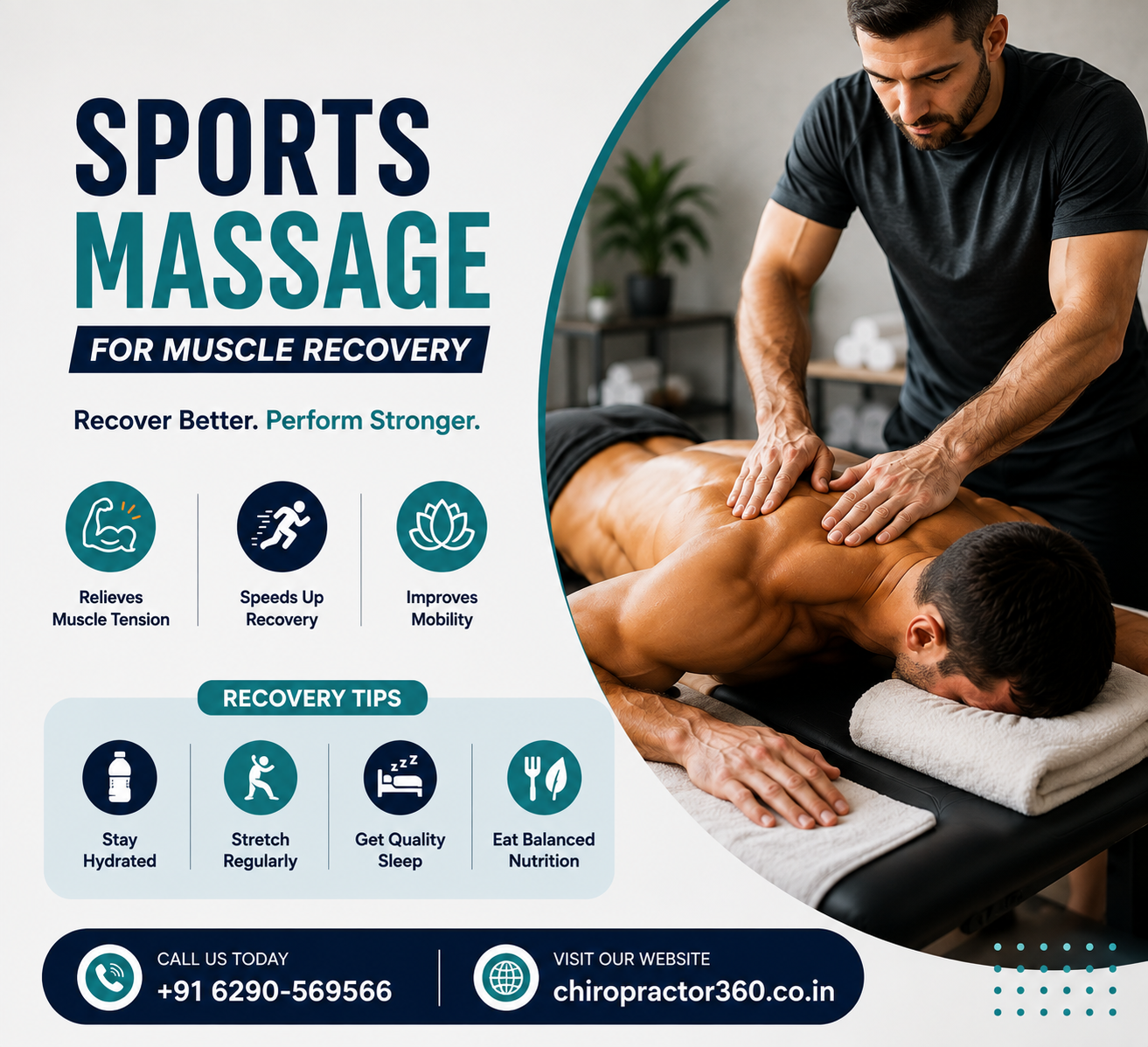
Whether you are a professional athlete, a regular gym-goer, a runner, or simply someone who enjoys staying active, muscle soreness and tension can affect your daily movement and performance. Recovery is an important part of any fitness routine, and the right recovery methods can help you stay active and comfortable.
One option many active people include in their recovery routine is sports massage. It focuses on the muscles and soft tissues that experience stress from exercise, training, and repetitive movement.
But what is sports massage, how does it support recovery, and when should you consider it? Let’s explore its benefits, uses, and practical recovery tips.
What Is Sports Massage?
Sports massage is a form of massage therapy designed for people who participate in physical activity. It focuses on areas of the body that may experience muscle tension, fatigue, or stress due to exercise.
Unlike a general relaxation massage, a sports massage may use more targeted techniques based on a person’s activity level and recovery needs.
A professional sports massage treatment may include:
- Targeted soft-tissue massage
- Kneading and pressure-based techniques
- Stretching and mobility work
- Focused treatment for areas of muscle tension
- Techniques designed to promote relaxation
The exact approach can vary from person to person. A qualified professional should consider your activity, physical condition, and goals before deciding how the session should be performed.
How Does Sports Massage Help With Muscle Recovery?
Intense workouts and repeated physical activity can leave muscles feeling tired, tight, or sore. Recovery depends on several factors, including adequate sleep, hydration, nutrition, rest, and appropriate physical activity.
Sports massage for muscle recovery can complement these habits by helping active individuals manage muscle tension and relax after demanding physical activity.
Massage may also help you feel more comfortable when returning to your normal routine. However, it should be viewed as one part of a complete recovery plan rather than a replacement for rest or professional care when an injury is involved.
Benefits of Sports Massage
Adding massage to a recovery routine can offer several potential benefits for active individuals.
1. Helps Manage Muscle Tension
Regular training can place repeated stress on specific muscle groups. This may result in tight or uncomfortable muscles.
Targeted massage can help relax areas of tension and may make movement feel more comfortable after physical activity.
2. Supports Relaxation
Hard workouts can be physically demanding. Taking time to relax can be an important part of recovery.
Massage provides a dedicated recovery session that can help you unwind after intense training or exercise.
3. Supports Comfortable Movement
Muscle tightness can sometimes make certain movements feel restricted. Depending on the individual and techniques used, massage can be incorporated into a broader mobility and recovery routine.
4. Complements an Active Lifestyle
One of the main advantages of sports massage is that it can be combined with other healthy recovery habits.
Stretching, mobility exercises, hydration, proper nutrition, quality sleep, and rest can all work together to support a sustainable approach to physical activity.
Massage for Recovery in Sport
The role of massage can vary depending on the type and intensity of exercise.
Some people choose massage after demanding workouts or competitions to help them relax and support their recovery routine. Others include it regularly during training to manage recurring areas of muscle tension.
The best timing depends on factors such as:
- Type of sport or exercise
- Training intensity
- Frequency of workouts
- Areas of muscle tension
- Individual recovery goals
For example, someone preparing for a competition may have different recovery needs from someone who goes to the gym a few times a week.
A professional can help you determine how massage may fit into your particular routine.
Benefits of Massage for Athletes
Athletes regularly place significant demands on their bodies. Training can involve repetitive movements, high-intensity exercise, long sessions, and competition-related physical stress.
The benefits of massage for athletes may include support for:
- Managing muscle tightness
- Relaxing after demanding training
- Maintaining comfortable movement
- Supporting an overall recovery routine
- Identifying areas that may need additional attention
Massage should not be considered a replacement for proper training, nutrition, sleep, or medical care. Instead, it can be one useful component of a well-rounded recovery strategy.
Athlete Massage Therapy: Who Can Benefit?
Athlete massage therapy is not only for professional sportspeople. It can also be useful for people who regularly participate in recreational or fitness activities.
You may consider sports-focused massage if you participate in:
- Running
- Cycling
- Swimming
- Weight training
- Football and other team sports
- Tennis and racquet sports
- Cross-training
- Recreational fitness
You don’t have to compete professionally to experience the physical demands of regular exercise. If muscle tension or post-workout discomfort is affecting your routine, discussing your needs with a qualified professional may be helpful.
What Does a Sports Massage Therapist Do?
A sports massage therapist typically begins by understanding your activity level, training routine, areas of tension, and recovery goals.
Rather than using exactly the same techniques for everyone, the session can be adapted according to your individual needs.
You may be asked about:
- Your regular physical activities
- Recent workouts or competitions
- Areas that feel tight or uncomfortable
- Previous injuries
- Your recovery goals
This information helps the professional determine which areas may require attention and what level of pressure is appropriate.
Sports Injury Massage Therapy: Is It Suitable for Injuries?
Massage may have a role in some recovery situations, but it should not automatically be used for every sports injury.
If you experience significant pain, swelling, bruising, restricted movement, or a suspected serious injury, appropriate assessment should come first.
Sports injury massage therapy may be considered in certain situations when a qualified professional determines that massage is appropriate. The approach should depend on the type and stage of the injury.
If pain is severe, sudden, persistent, or getting worse, seek professional medical advice rather than relying on massage alone.
Recovery Tips to Support Your Results
Sports massage works best when combined with healthy recovery habits.
Get Enough Sleep
Sleep gives your body time to recover from the physical demands of exercise. Try to maintain a consistent sleep routine, especially during periods of intense training.
Stay Hydrated
Drink enough fluids throughout the day and pay particular attention to hydration around workouts, especially during longer sessions or hot weather.
Maintain Good Nutrition
A balanced diet provides the nutrients your body needs to support normal physical function and recovery. Include adequate protein, carbohydrates, healthy fats, fruits, vegetables, and other nutrient-rich foods.
Don’t Ignore Rest
Training continuously without enough recovery can leave you feeling fatigued. Rest days and lighter activity can be valuable parts of a sustainable fitness routine.
Listen to Your Body
Normal post-workout soreness is different from significant or persistent pain. If discomfort continues or starts affecting your normal movement, consider getting professional guidance.
How Often Should You Get a Sports Massage?
There is no universal schedule for sports massage.
Someone who exercises occasionally may only want a session when they experience muscle tension, while a person training several times a week may choose to include massage more regularly.
Your ideal frequency can depend on:
- Training intensity
- Exercise frequency
- Recovery demands
- Muscle tension
- Individual goals
Instead of following a fixed schedule, discuss your routine and recovery needs with a qualified sports massage therapist.
When Should You Consider Sports Massage?
Sports massage may be worth considering if you:
- Exercise regularly
- Experience muscle tightness after workouts
- Participate in sports or fitness activities
- Want to add massage to your recovery routine
- Feel that muscle tension is affecting comfortable movement
If you have significant pain or a suspected injury, however, seek an appropriate professional assessment before starting massage.
Get Professional Sports Massage Support
Recovery is an important part of maintaining an active lifestyle. While sleep, nutrition, hydration, rest, and appropriate exercise remain essential, massage can be a useful addition to your recovery routine.
At Chiropractor360, sports massage sessions are designed around the needs of active individuals, with attention to muscle tension, recovery goals, and overall comfort.
If you’re considering sports massage and want professional guidance based on your activity and recovery needs, contact Chiropractor360 to book a session and discuss the right approach for you.
Conclusion
Sports massage can be a useful addition to a well-rounded recovery routine for athletes and active individuals. It may help manage muscle tension, support relaxation, and promote comfortable movement when combined with healthy recovery habits.
The key is to approach massage as part of a broader strategy that includes adequate rest, hydration, nutrition, sleep, and sensible training.
If you regularly exercise or participate in sports, understanding your body’s recovery needs can help you maintain your routine more comfortably and sustainably.
Frequently Asked Questions
Is sports massage only for professional athletes?
No. Sports massage can also be suitable for recreational runners, gym-goers, cyclists, and other active individuals.
Can I get a sports massage after a workout?
Yes. Sports massage can be incorporated into a post-workout recovery routine. The timing and intensity should be appropriate for your activity and physical condition.
Is sports massage painful?
It should not be unnecessarily painful. The appropriate pressure depends on your individual needs, treatment goals, and the condition of the muscles being treated.
How often should I get a sports massage?
There is no fixed schedule. Frequency depends on your training routine, activity level, muscle tension, recovery needs, and individual goals.
Can sports massage treat a sports injury?
Massage is not a substitute for professional diagnosis or medical treatment. If you have significant pain or a suspected injury, seek an appropriate assessment before considering massage.

No comment